
Weddings
Wedding Guest Attire: A Guide to Every Wedding Dress Code
Wedding guest attire is set by the dress code on the invitation: white tie and black tie call for a floor-length gown, black tie optional and formal allow a long gown or a very polished cocktail dress, cocktail and semi-formal mean a knee-length to midi dress or a dressy jumpsuit, and dressy casual or casual means a smart day dress. Whatever the dress code, avoid white, ivory and anything that could be mistaken for a bridal look. If the invitation gives no dress code, let the time and venue guide you: the later the start and the grander the setting, the dressier you should go.

In This Guide
- 1Wedding Guest Dress Codes at a Glance
- 2What Do Wedding Dress Codes Mean?
- 3What If There Is No Dress Code on the Invitation?
- 4How Do Time of Day and Season Change What You Wear?
- 5What Colors Should You Not Wear to a Wedding?
- 6What Should You Wear Based on Your Role in the Wedding?
- 7What Is Not Appropriate to Wear as a Wedding Guest?
- 8Where Can You Find Sherri Hill Wedding Guest Dresses?
- 9Frequently Asked Questions
Start with the chart below, then read on for each dress code, day versus evening, seasons, colors to skip and what to wear by role.
Wedding Guest Dress Codes at a Glance
| Dress code | What it means for women | Dress length | For men |
|---|---|---|---|
| White tie | The most formal: a full ball gown or formal evening gown; gloves are optional | Floor-length only | Black tailcoat, white bow tie, white waistcoat |
| Black tie | A formal evening gown in a rich fabric | Floor-length | Tuxedo and black bow tie |
| Black tie optional | An evening gown, or a very elegant cocktail dress or evening pantsuit | Floor-length preferred; polished cocktail length works | Tuxedo or a dark suit and tie |
| Formal | A long gown or a dressy midi or cocktail dress | Floor-length to tea-length (midi) for evening | Dark suit and tie |
| Cocktail | A cocktail dress, dressy jumpsuit or elegant separates | Knee-length to midi; a simple long dress is fine at night | Suit and tie |
| Semi-formal | A polished dress or jumpsuit, slightly less dressy than cocktail | Knee-length to midi | Suit; tie optional by daytime |
| Dressy casual / casual | A smart day dress, jumpsuit or skirt and top | Any length that looks put together | Dress trousers and a collared shirt; jacket optional |
| Beach | A light, flowing dress in breathable fabric | Midi or maxi; skip trains | Linen or light cotton suit, or trousers and a shirt |
| Garden | A floral or pastel dress; shoes that work on grass | Midi or maxi | Light suit or trousers and a blazer |
| Destination / themed | Follow the couple's notes on location, climate and theme | Depends on the stated formality | Depends on the stated formality |
What Do Wedding Dress Codes Mean?
White Tie
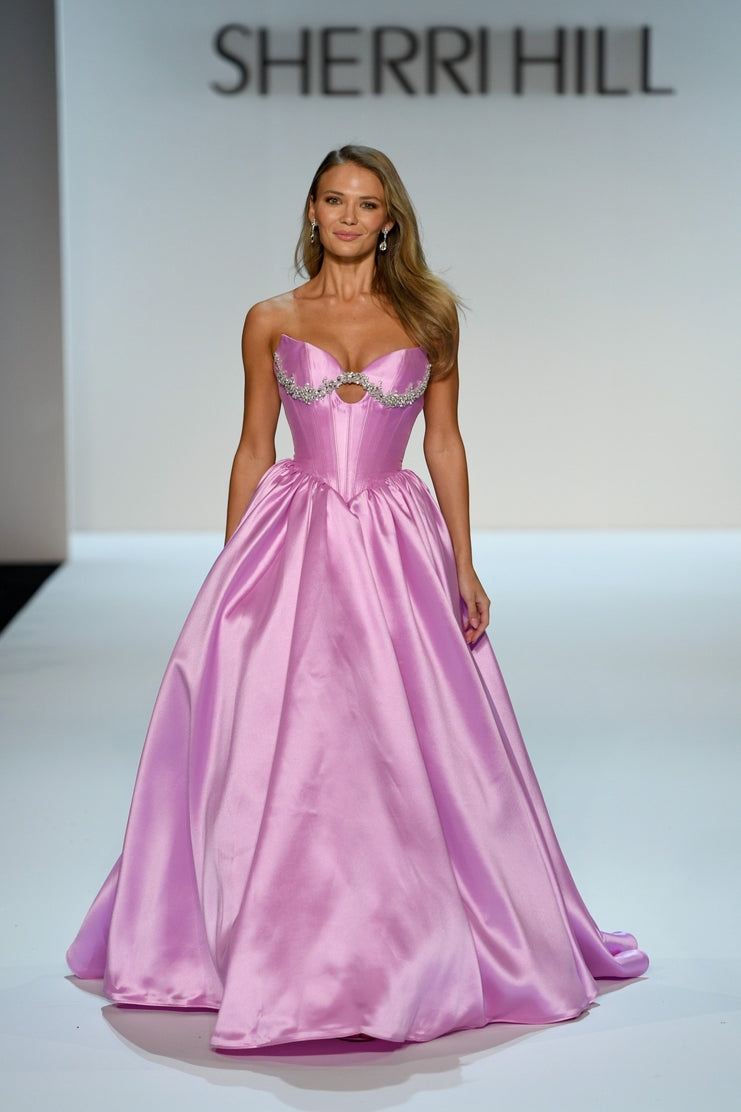
White tie is the most formal dress code there is, and it is rare at weddings. Men wear a black tailcoat with a white bow tie and waistcoat. Women wear a floor-length evening gown or ball gown; anything shorter is out of place. Choose luxurious fabrics and a refined silhouette, and save the shortest hemlines and casual fabrics for another event. Long gloves are a traditional option but not required at most modern white tie weddings.
Black Tie
Black tie is the most formal dress code most guests will ever see on a wedding invitation. Men wear a tuxedo. Women wear a floor-length formal gown in satin, crepe, velvet, silk or beaded lace. Black, deep jewel tones and metallics all work. A jumpsuit can pass only if it is unmistakably formal, with a structured cut, a luxe fabric and evening details. For fabrics, accessories and what to wear over your gown, see our full guide to what to wear to a black tie wedding.
Black Tie Optional
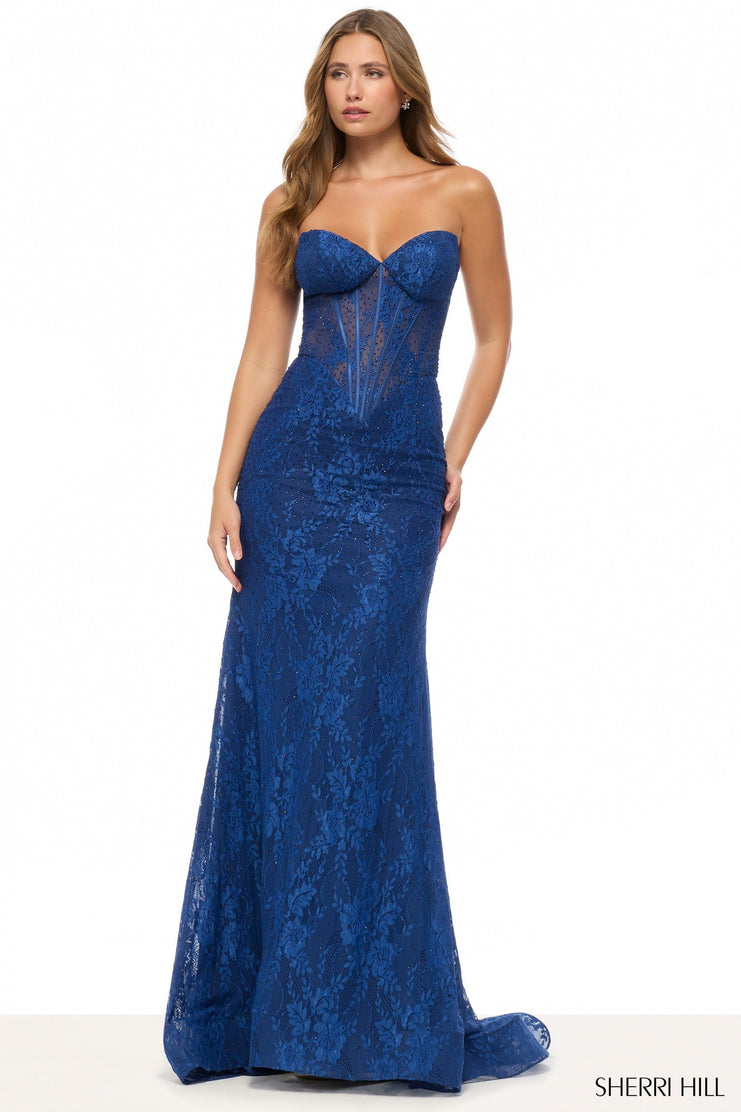
Black tie optional means the hosts will be in black tie and you are welcome to be, but it is not required. A floor-length gown always fits in. A very elegant cocktail dress, a tea-length dress or a tailored evening pantsuit also works, and men can choose a dark suit and tie instead of a tuxedo. For an evening wedding, lean toward the long gown, since later events tend to run more formal.
Formal
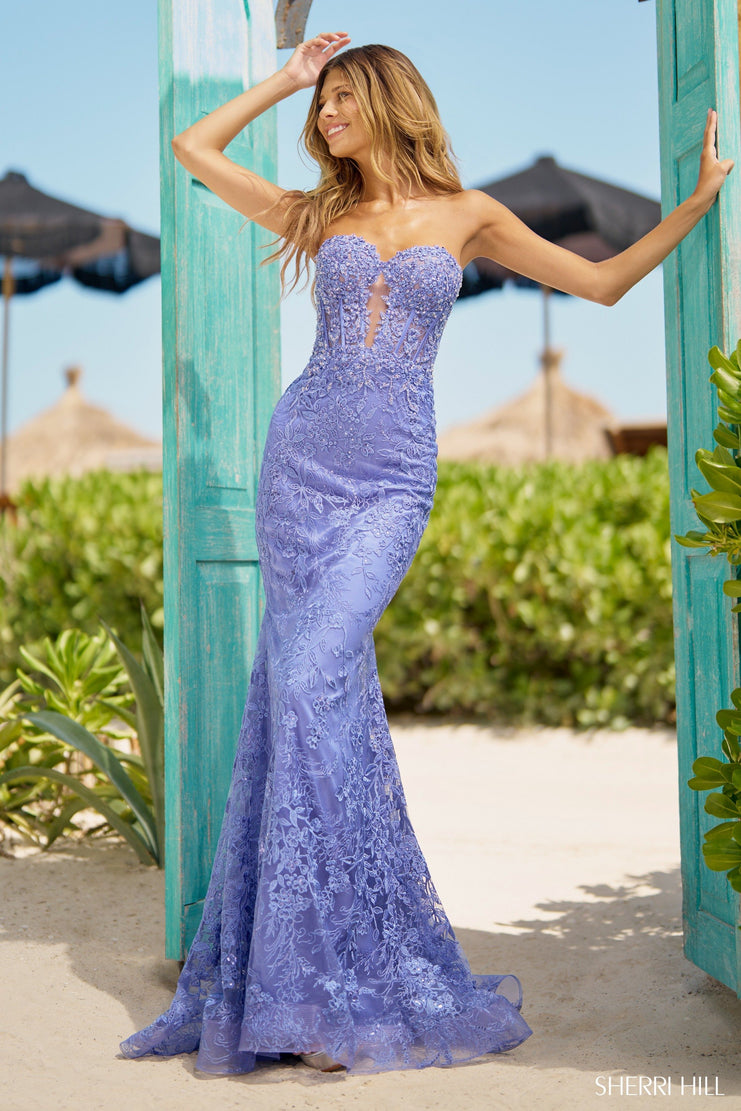
Formal sits just below black tie optional. Men wear a dark suit (black, navy or charcoal) and tie. Women can wear a long gown or a dressy midi; for an evening wedding, do not go shorter than tea-length. Colors can be richer and more varied than at black tie, but skip neon shades and anything that looks like daywear. Formal also leaves room for a modern touch, such as a one-shoulder neckline or a sequin finish.
Cocktail
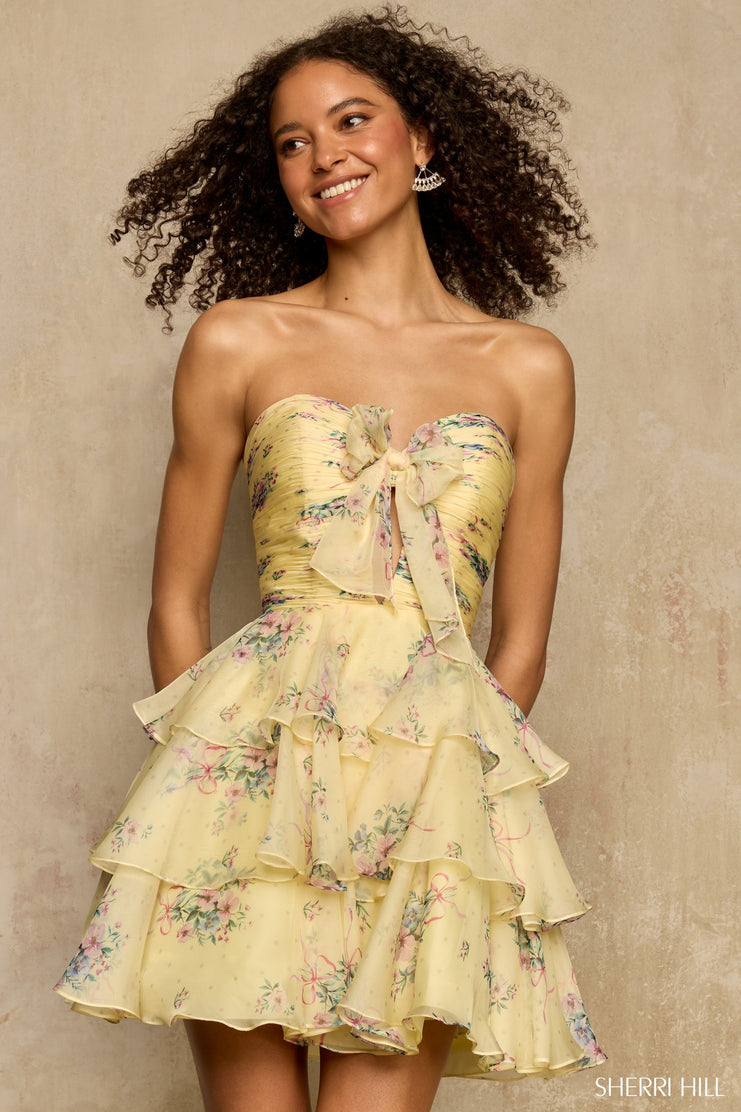
Cocktail attire is dressy and polished, a step below black tie and a step above semi-formal. Think a knee-length to midi cocktail dress, a sleek jumpsuit or coordinated dressy separates; men wear a suit and tie. A simple floor-length dress is usually fine for an evening cocktail wedding, and a print or a pastel suits a daytime one. Our full guide, what is cocktail attire for a wedding, covers lengths, fabrics and accessories in detail.
Semi-Formal
Semi-formal is often treated as interchangeable with cocktail, but it is a little more relaxed. A polished knee-length or midi dress, a dressy jumpsuit, or a skirt and blouse in a nice fabric are all right. Men wear a suit, and a tie is optional for a daytime wedding. If the wedding starts in the evening, dress toward the cocktail end of the range.
Dressy Casual and Casual
"Casual" on a wedding invitation still means dressing up. Aim for the polish you would bring to a nice lunch or a garden party: a smart day dress, a printed midi, a jumpsuit in a soft fabric, or a skirt and top. Men can wear dress trousers with a collared shirt, with or without a blazer. Unless the couple says otherwise, skip jeans, sneakers and anything you would wear to the gym. Our guide to semi-casual attire explains the in-between codes.
Beach Wedding
A beach wedding calls for light, breathable fabrics like chiffon or cotton and flowing midi or maxi shapes that move in the breeze. Choose flat sandals or wedges over stilettos, which sink into sand, and bring a wrap for the evening. If the invitation also says formal or black tie, dress to that level in lighter fabrics. See what to wear to a beach wedding for more.
Garden Wedding
Garden weddings suit florals, pastels and soft fabrics in midi or maxi lengths. Block heels, wedges or dressy flats will keep you steady on grass, and a light layer helps once the sun goes down. The same instincts apply to any outdoor daytime celebration; our guide to garden party attire has more ideas.
Destination and Themed Weddings
For a destination wedding, the couple will usually share the location, the climate and the expected level of formality. Dress for the weather, pack fabrics that travel without heavy creasing, and bring a backup layer. For a themed wedding, nod to the theme rather than wearing a costume: a touch of fringe for a 1920s theme, for example, or the couple's colors in an accessory. A Western theme has its own rules, which we cover in our Western wedding outfit ideas. When in doubt, ask the couple or someone in the wedding party; they expect the question.
What If There Is No Dress Code on the Invitation?
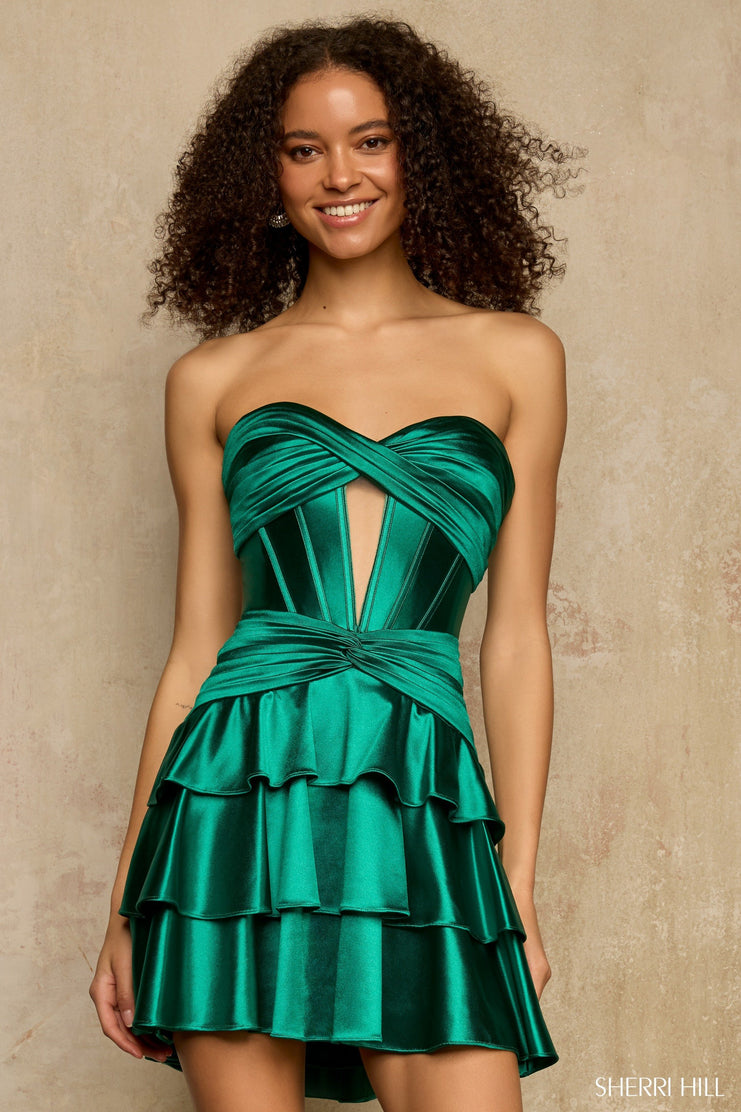
Check the wedding website first; the dress code is often in an FAQ or travel section. If it is not there, the time of day matters most: evening weddings, especially those starting after about 6 p.m., run more formal. Then consider the venue. A ballroom, a historic hotel or a formal dinner suggests at least cocktail attire, while a barn, a backyard or a beach points to something lighter. If you are still unsure, ask the couple or a member of the wedding party. Without other clues, cocktail attire is the safest default.
How Do Time of Day and Season Change What You Wear?
Day vs. evening. Daytime weddings allow lighter colors, prints and shorter hemlines within the dress code. Evening weddings call for richer colors, more shine and longer lengths. The same "cocktail" invitation can mean a floral midi at noon and a sleek long dress at 7 p.m.
Spring and summer. Choose breathable fabrics like chiffon, organza and lightweight lace, and colors such as pastels, brights and soft metallics. For outdoor ceremonies, bring sun protection and shoes that work on the ground you will be standing on.
Fall and winter. Velvet, satin, crepe and heavier beaded fabrics work well, in deeper shades like emerald, burgundy, navy and black. Plan a coat or wrap that suits the formality of your dress, especially if photos will be taken outside.
Year-round. A medium-weight dress in navy, black or emerald can be restyled for weddings in every season.
What Colors Should You Not Wear to a Wedding?
- White, ivory, cream and very pale champagne. These are reserved for the bride (and for any partner wearing white). Avoid anything that could look bridal in photos, including heavily embellished pale gowns. The one exception is when the couple asks guests to wear white.
- The bridesmaids' color. Matching the wedding party can cause confusion in photos. If you know the palette, choose something different.
- Anything the couple has asked you to avoid. Some invitations list colors to skip or a palette to wear. Follow it.
Can you wear black or red? Black is now widely accepted, especially for evening and black tie weddings. Red is fine at most modern weddings, but a very bright red can draw attention, so consider a deeper shade or check with the couple if the wedding is traditional or the family has strong views. Some cultures have their own color customs, so ask if the tradition is new to you.
What colors are safest? Jewel tones (emerald, sapphire, plum), navy, dusty or soft pastels for daytime, and metallics for evening are reliable choices for nearly any wedding.
What Should You Wear Based on Your Role in the Wedding?
Mother of the bride or groom. Dress to the formality of the wedding, often one step dressier than the guests. Traditionally the mother of the bride chooses first and shares her color and length with the mother of the groom so the two coordinate without matching. Choose a color that complements the wedding palette without copying the bridesmaids, and skip white and ivory. For evening and formal weddings, a floor-length gown or an elegant evening pantsuit is the norm; for daytime or semi-formal weddings, a refined midi works well.
Bridesmaids. The couple chooses, so follow their color, length and style direction. If they leave the style up to you within a color, pick a silhouette that matches the formality of the day. Our bridesmaid dresses come in a range of silhouettes to suit different preferences.
What Is Not Appropriate to Wear as a Wedding Guest?
Skip anything that looks bridal (white, ivory, a veil-like headpiece, a long train), anything clearly below the dress code, and anything too tight or uncomfortable to sit and dance in for hours. Avoid looks that compete with the couple, and bring a wrap to cover your shoulders for a ceremony in a house of worship.
Where Can You Find Sherri Hill Wedding Guest Dresses?
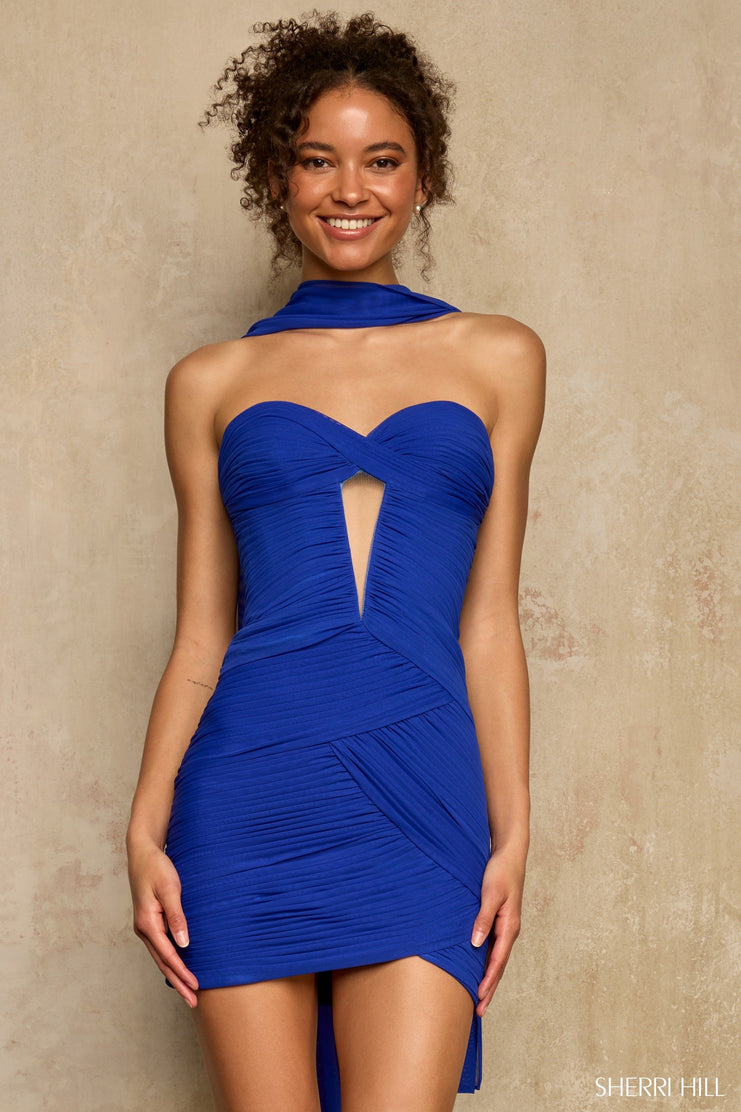
Sherri Hill makes dresses for every level of wedding dress code, from evening gowns for black tie to cocktail dresses for daytime and semi-formal celebrations. Browse the collections on sherrihill.com to find a style you love, then visit an authorized retailer to try it on. Use Find A Store to see the retailers near you. Sherri Hill styles come in sizes 000 to 26, though not every style is made in every size, so your retailer can check whether a style is available to order in the color and size you want.
Dressing for a wedding in the cooler months? See fall and winter wedding guest dresses. If you're the mother of the bride or groom, see the mother of the bride dress guide.
Shop the Look
Your retailer can check whether a color or size is available to order.


Find A Store
Find a Sherri Hill Retailer
In the United States, Sherri Hill dresses are sold through authorized retailers.

Frequently Asked Questions
What should I wear as a wedding guest?
Follow the dress code on the invitation: a floor-length gown for white tie and black tie, a long gown or polished cocktail dress for formal, a knee-length to midi dress for cocktail and semi-formal, and a smart day dress for casual. Whatever the code, avoid white and ivory.
What is a formal wedding guest dress code?
A formal dress code sits just below black tie optional. Women wear a long gown or a dressy midi, no shorter than tea-length for an evening wedding, and men wear a dark suit and tie. Rich colors and refined fabrics fit best.
What is the difference between black tie and black tie optional?
At black tie, a floor-length gown and a tuxedo are expected. At black tie optional, the hosts will be in black tie, but guests may also wear a very elegant cocktail dress, a tea-length dress or a tailored pantsuit, and men may wear a dark suit instead of a tuxedo.
Is cocktail attire the same as semi-formal for a wedding?
They are close and often used interchangeably, but cocktail is slightly dressier. Cocktail attire means a polished cocktail dress, jumpsuit or dressy separates with a suit and tie for men. Semi-formal allows a little more relaxed styling, especially for a daytime wedding.
Can I wear black to a wedding?
Yes, at most modern weddings, black is acceptable, and it is a classic choice for evening and black tie weddings. For a daytime or very traditional wedding, a color may feel more celebratory. If the couple has asked guests to avoid black, follow their wishes.
What should the mother of the bride wear?
The mother of the bride dresses to the wedding's formality, often a step dressier than the guests, in a color that complements the wedding palette without matching the bridesmaids. She traditionally chooses first and shares her color and length with the mother of the groom. A floor-length gown suits evening and formal weddings, and a refined midi suits daytime.


